বাংলা
বাংলা  Arabic
  French
  Chinese

FIRE ALARM SYSTEMS
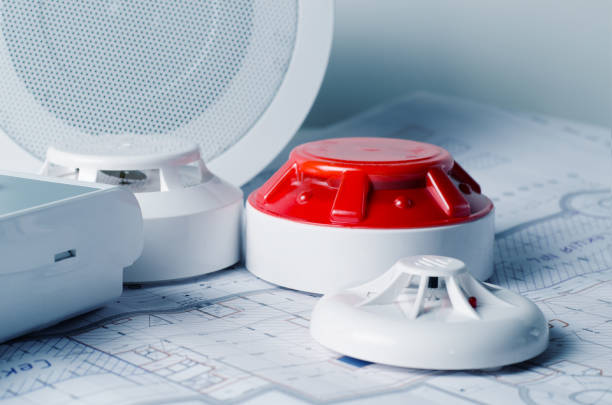
Fire alarm systems are crucial for detecting fires and alerting people to evacuate a building quickly and safely. They typically consist of several components, each designed to detect and notify people about a potential fire. Here are the main elements of fire alarm systems:
If you're dealing with a fire alarm, it's important to follow safety procedures:
If the alarm is real:
- Immediately evacuate the building calmly and quickly, using the nearest exit.
- Don’t use elevators.
- If smoke is present, crouch low to the ground where the air is cleaner.
- Call emergency services (fire department) once you're safely outside.
- Don’t re-enter the building until authorities say it's safe.
If the alarm is a false alarm:
- Check for any obvious signs of a fire (smoke, heat, etc.).
- If no fire is found, inform building management or the responsible authorities to investigate the cause of the alarm.
- Ensure everyone is accounted for, and if safe, you can return to the building.
Types of Fire Alarm Systems:
- Conventional Systems: In these systems, detectors are grouped into zones. Each zone corresponds to a specific area of the building.
- Addressable Systems: These systems provide more detailed information by assigning each device its own address. They can pinpoint the exact location of a fire.
- Hybrid Systems: Combine elements of both conventional and addressable systems for greater flexibility and scalability.
Fire Alarm System Maintenance:
- Regular inspections, testing, and maintenance are crucial to ensure the fire alarm system functions properly.
- It’s important to check the batteries in smoke detectors, test the manual pull stations, and ensure that the notification devices (alarms, lights) work.
1. Detection Devices
These devices detect signs of fire, such as heat, smoke, or gas emissions.
Smoke Detectors: They detect the presence of smoke in the air. There are two main types:
- Ionization Smoke Detectors: Detect small particles of smoke and are generally more sensitive to fast-flaming fires.
- Photoelectric Smoke Detectors: Detect larger particles and are better at sensing smoldering fires.
Heat Detectors: Detect a rapid rise in temperature or a specific temperature threshold, useful for areas where smoke detection might not be ideal (like kitchens).
Carbon Monoxide Detectors: These detect harmful carbon monoxide gas, which can be produced in a fire.
Flame Detectors: Use infrared sensors to detect the specific wavelengths emitted by flames.
2. Notification Devices
These alert people in the event of a fire.
- Audible Alarms: Sirens, bells, or horns that produce loud sounds to alert people of a fire emergency.
- Visual Alarms: Flashing lights or strobe lights for people with hearing impairments.
- Text Alerts: Some modern systems can also send notifications via text or email to building occupants or external monitoring services.
3. Control Panel
The central unit that manages all components of the fire alarm system. It receives signals from detectors and activates alarms and other safety measures.
- Manual Pull Stations: These allow someone to trigger the fire alarm manually in case they detect a fire before the system does.
- Monitoring System: Many modern systems are connected to a remote monitoring service or local fire department, who are notified when an alarm goes off.
4. Fire Suppression Systems (Optional, but often integrated)
Some advanced fire alarm systems include integrated fire suppression systems to help control a fire until emergency services arrive. These may include:
- Sprinkler Systems: Automatically release water when a fire is detected.
- Gaseous Suppression Systems: Use gas to extinguish fires without damaging electronics, often used in data centers.
- 5. Power Supply
The system needs a reliable power source, typically from the main electrical supply, with a backup battery to maintain functionality during power outages.