বাংলা
বাংলা  Arabic
  French
  Chinese

FIRE FIGHTING SYSTEMS
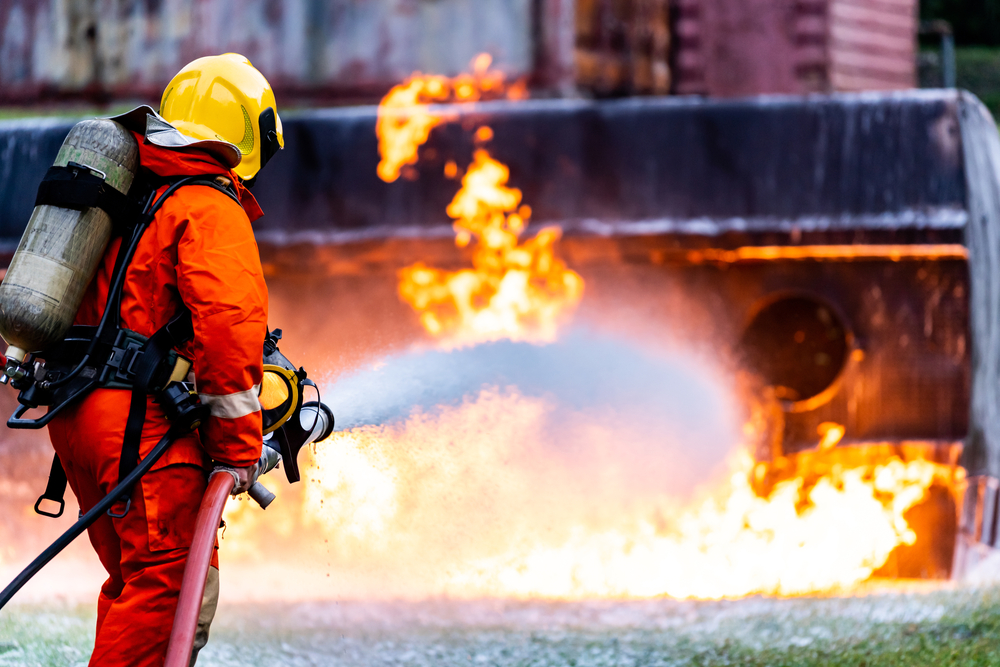
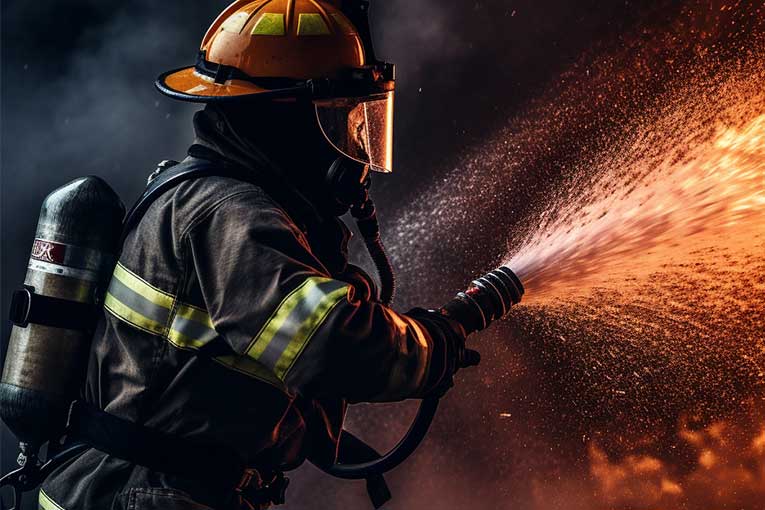
Fire fighting is the act of preventing, managing, and extinguishing fires to protect lives, property, and the environment. It involves a range of activities, from responding to fire emergencies to conducting fire prevention strategies and safety training.
Key aspects of firefighting include:
- Immediately evacuate the building calmly and quickly, using the nearest exit.
- Don’t use elevators.
- If smoke is present, crouch low to the ground where the air is cleaner.
- Call emergency services (fire department) once you're safely outside.
- Don’t re-enter the building until authorities say it's safe.
KEY CONSIDERATIONS
IN FIRE FIGHTING SYSTEMS:
- Code Compliance: Fire fighting systems must comply with local regulations and standards (such as NFPA in the U.S., or British Standards in the UK) to ensure they are effective in protecting lives and property.
- Maintenance and Testing: Regular maintenance and testing of fire fighting systems are essential to ensure they work when needed. For example, sprinkler systems must be inspected, fire extinguishers must be checked for pressure, and alarms must be tested regularly.
- Integrated Systems: Modern fire fighting systems often integrate multiple technologies, including detection, suppression, and evacuation systems, to provide a comprehensive approach to fire safety.
Emergency Lighting:
- In case of power failure, emergency lighting systems ensure that exit routes and key areas are illuminated during a fire emergency, aiding in evacuation.
Fire Blankets:
- Fire-resistant blankets are used to smother small fires, particularly in kitchens or on a person’s clothing.
Standpipe Systems:
- A standpipe system is a system of vertical pipes that provide water to various levels of a building for fire fighting. They can be connected to a hose and operated manually by firefighters.
1.Sprinkler Systems:
2.Fire Extinguishers:
Portable devices used to put out small fires. Different types are used depending on the fire class:
- Water Extinguishers: For Class A (solid combustibles) fires.
- CO2 Extinguishers: For electrical or Class B (liquid) fires.
- Foam Extinguishers: For liquid (Class B) fires.
- Powder Extinguishers: For a wide range of fires, including electrical and flammable liquids.
3.Fire Detection and Alarm Systems:
4.Fire Suppression Systems:
- Gas-based Systems (e.g., FM-200, CO2, Inergen): These are used in areas with sensitive equipment (like server rooms) where water or foam might cause damage. The system releases an inert gas or chemical agent to suffocate the fire.
- Foam Suppression: Used primarily for Class B fires (flammable liquids) to prevent the fire from spreading.
Fire Hose Reels and Hydrants:
- Fire Hose Reels: These provide a continuous supply of water for firefighters to combat fires manually. Typically installed in buildings for quick access.
- Fire Hydrants: Located outside buildings, these provide a water source for firefighters to connect hoses during a fire emergency.
Water Mist Systems:
- These systems discharge a fine mist of water to suppress the fire without using large volumes of water. They're effective in areas where water damage must be minimized, such as in museums or data centers.
Fire Doors and Shutters:
- Fire-resistant doors and shutters are installed to contain a fire within a specific area, allowing occupants to safely evacuate while preventing the fire from spreading.
Emergency Lighting:
- In case of power failure, emergency lighting systems ensure that exit routes and key areas are illuminated during a fire emergency, aiding in evacuation.
Fire Blankets:
- Fire-resistant blankets are used to smother small fires, particularly in kitchens or on a person’s clothing.
Standpipe Systems:
- A standpipe system is a system of vertical pipes that provide water to various levels of a building for fire fighting. They can be connected to a hose and operated manually by firefighters.